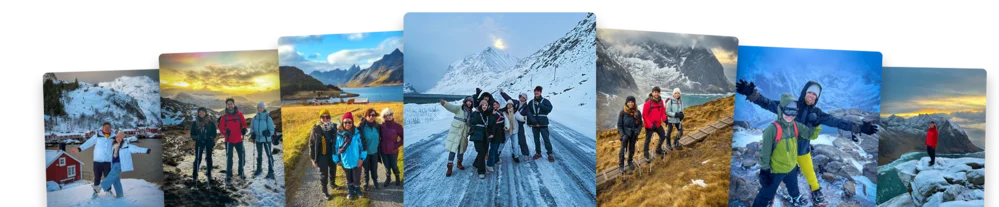
Tips from local guides
Plan Your Trip to Lofoten
These are the guides we wish we had when we first moved here: honest, practical advice from guides who live in Lofoten all year  covering when to come, how to get here, where to stay, and what is worth your time.
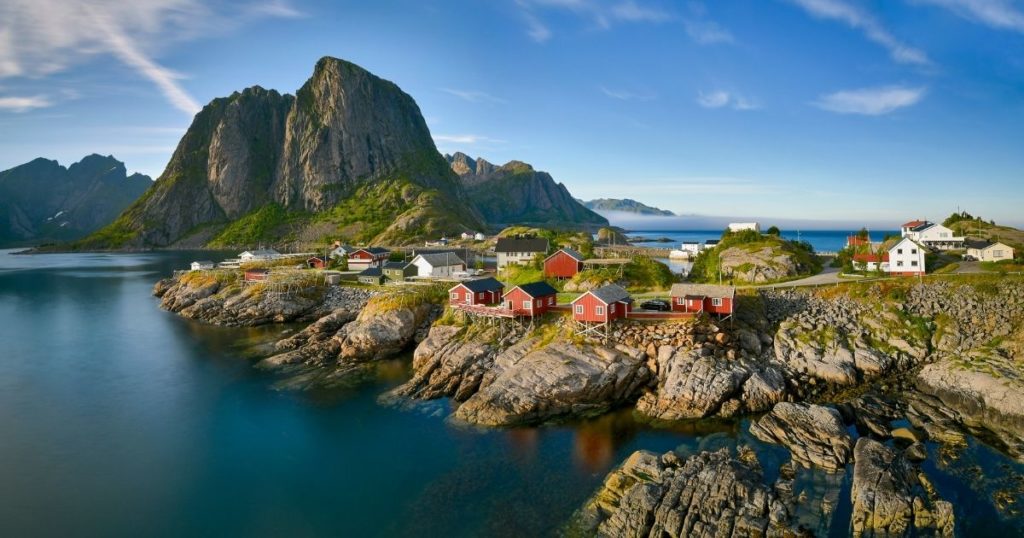
We get asked the same handful of questions on repeat, so here they are answered in one place. Lofoten is an archipelago in northern Norway, known for dramatic peaks, fishing villages like Reine and Hamnøy, and both the midnight sun and northern lights.
Planning a trip mainly comes down to a handful of things: when to visit, how to get there, where to stay, how to get around, what to do once you’re here, and how to behave, or more plainly, how not to behave. This guide covers each one, written by guides based in Reine.
How to get to Lofoten
Lofoten has no direct international flights, so getting here always means at least one connection. Your options: plane, ferry, or car, and how to get over from Tromsø.
Your options by plane, car, bus, and boat, with the trade-offs of each. Start here if you are unsure.
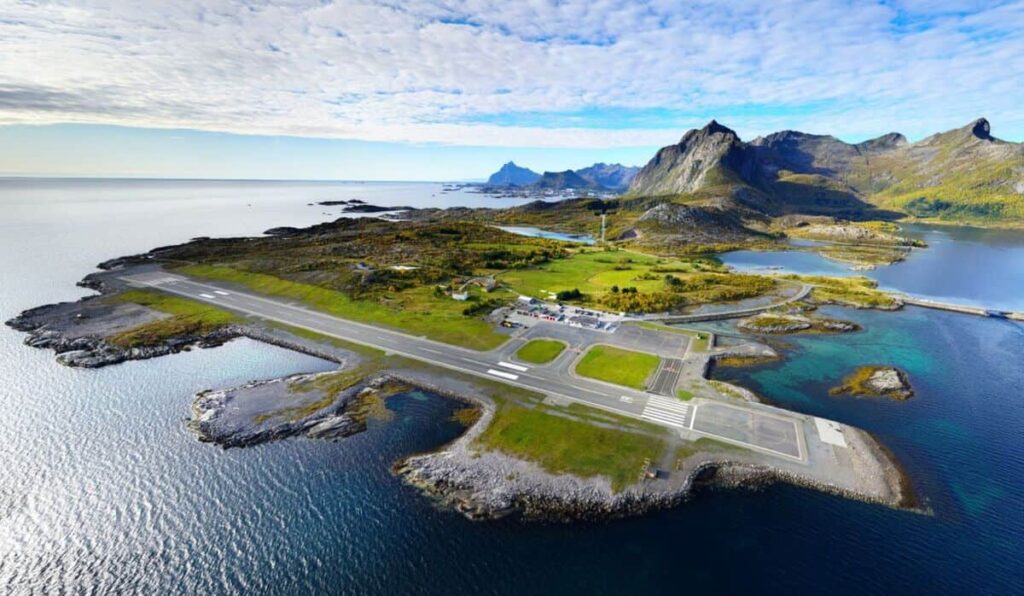
Pros and cons of Bodø, Evenes, Svolvær, and Leknes, and which to fly into for your route.
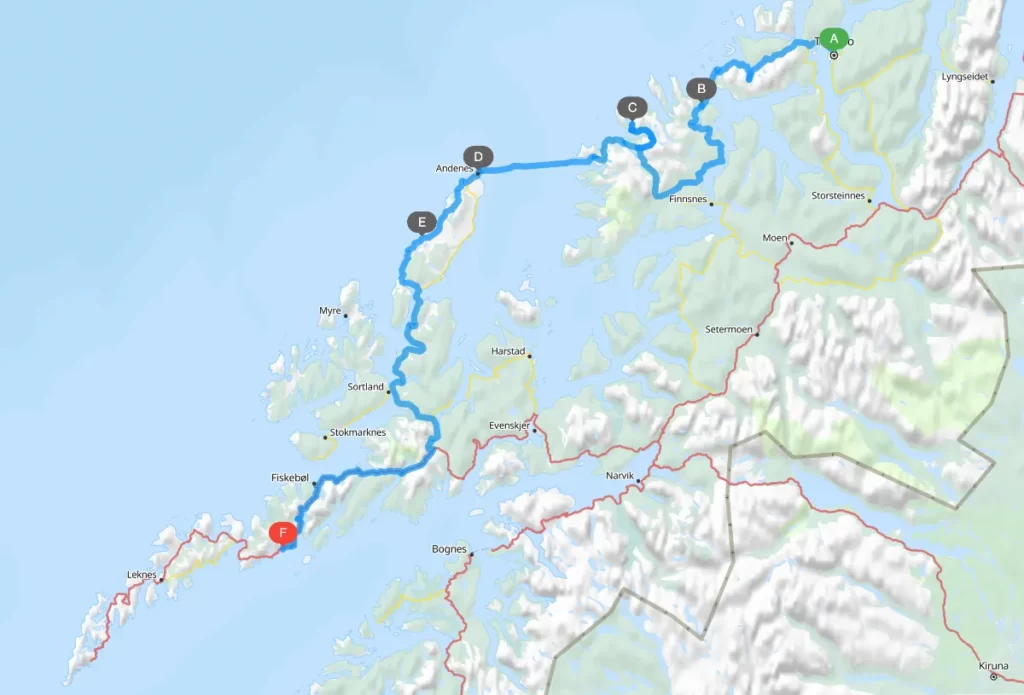
Coming from or going to Tromsø? The routes by plane, ferry, and bus, and how long each takes.
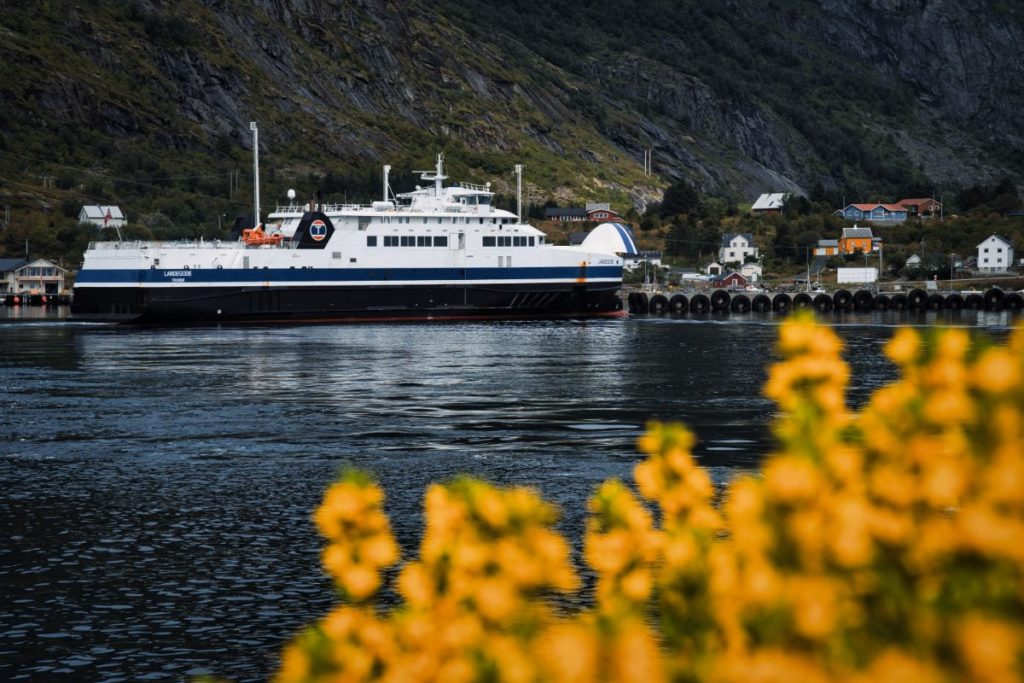
The main ferry routes connecting the islands and the mainland. Useful for planning a way in or out.
The car ferry most people take to reach western Lofoten. Schedules, booking, and what to expect.
When to visit Lofoten Islands
Lofoten is two completely different places depending on the season. Summer brings the midnight sun and green peaks. Winter brings snow, short days, and the northern lights. What each part of the year is really like:
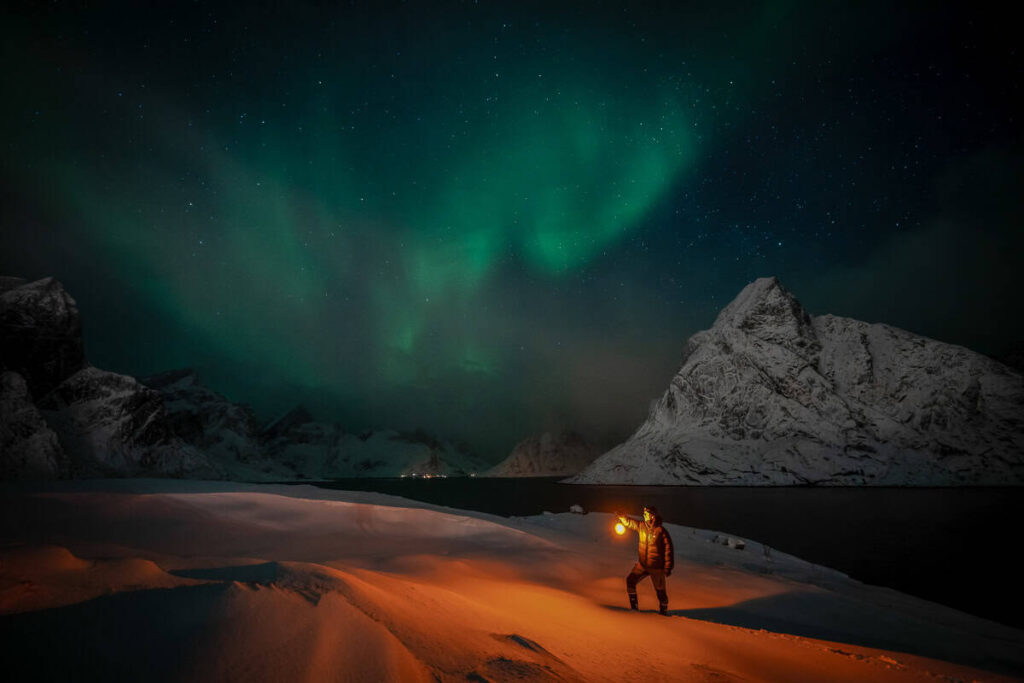
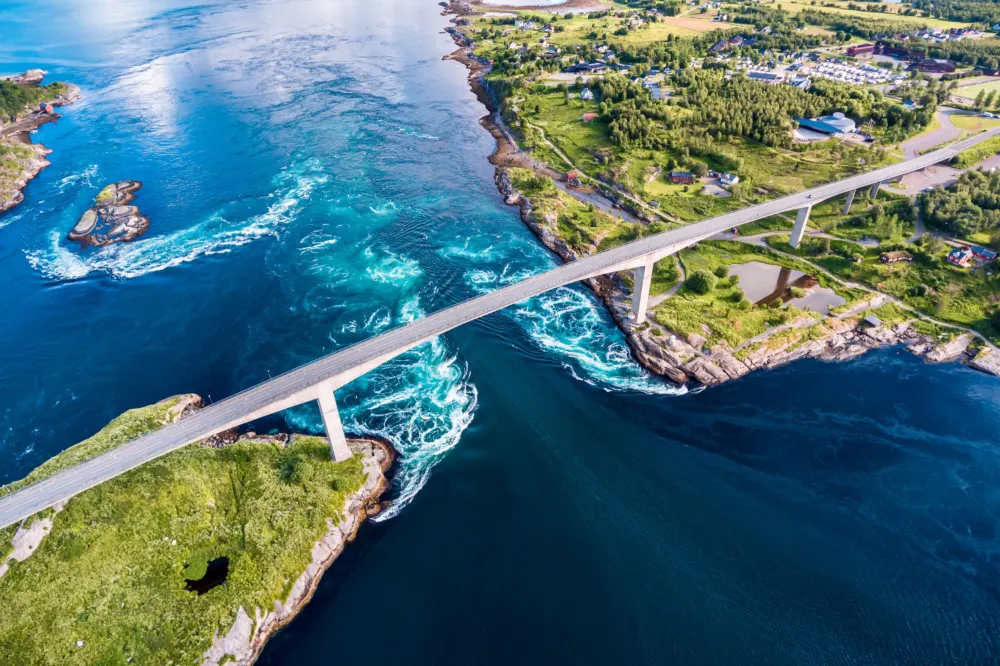
A month-by-month look at weather, daylight, crowds, costs, pros and cons.
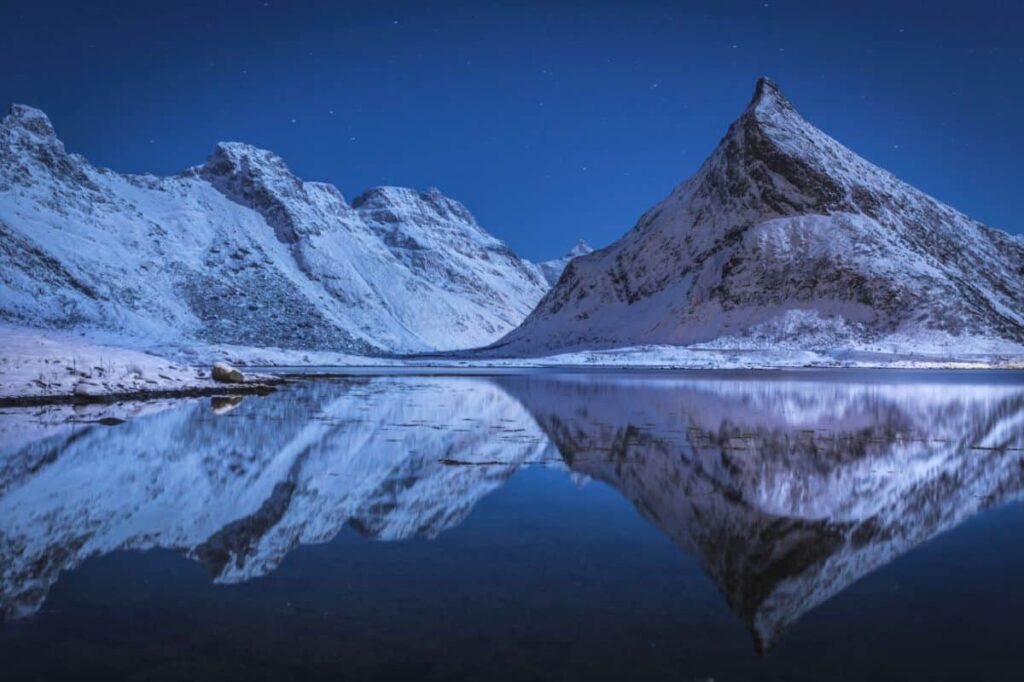
What you MUST know before visiting Lofoten in winter and what to expect in the dark season.
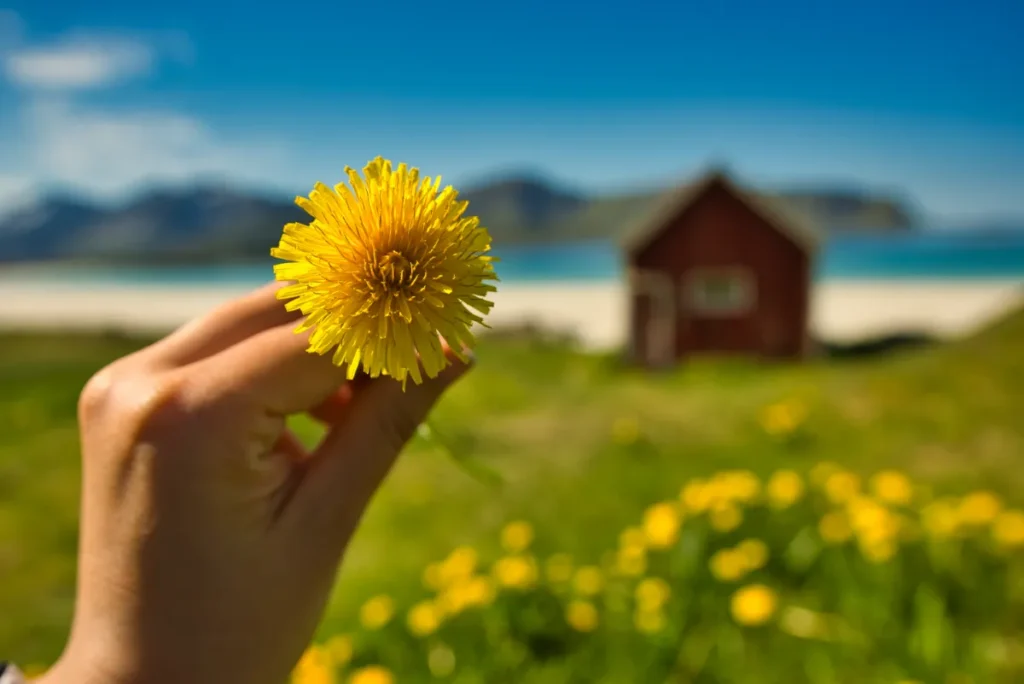
The midnight sun season and what to do with endless daylight. Tips for 15 summer activities.
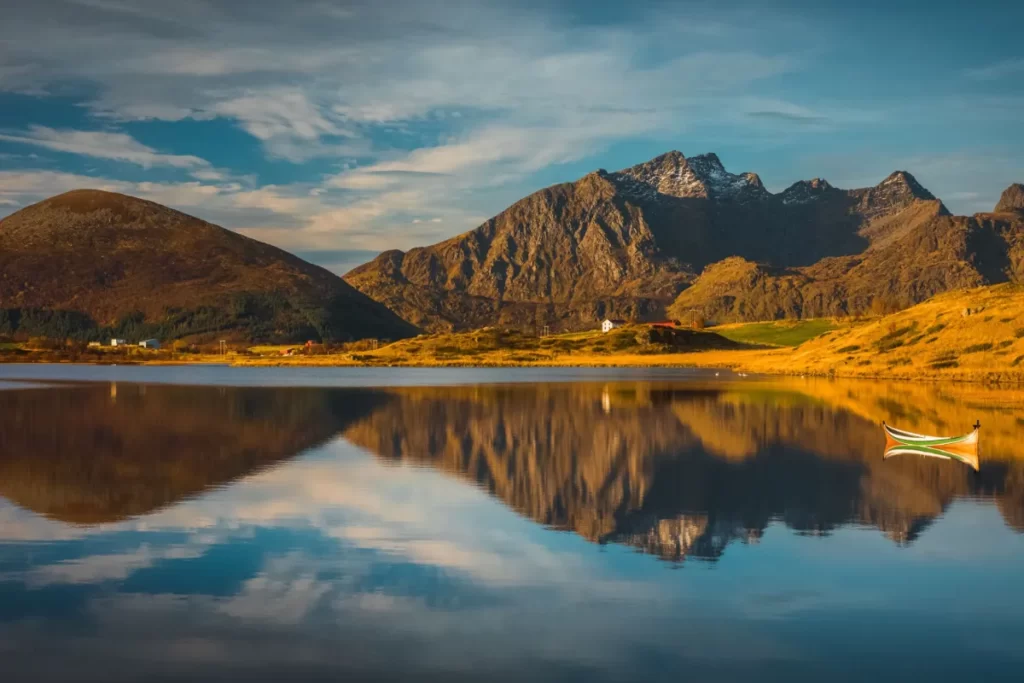
Daylight, temperatures, and weather in the shoulder season. A quieter time with the first aurora.
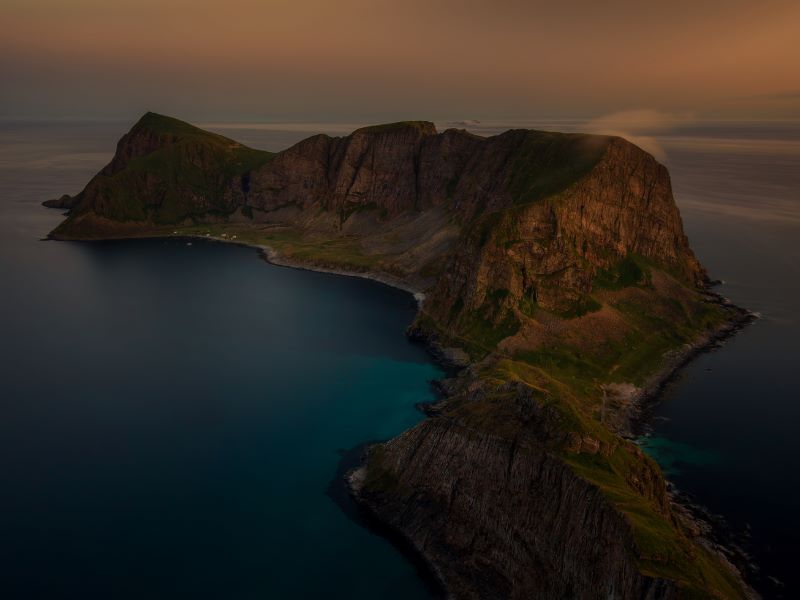
When the sun never sets. The best spots, the dates, and how to sleep through the light.
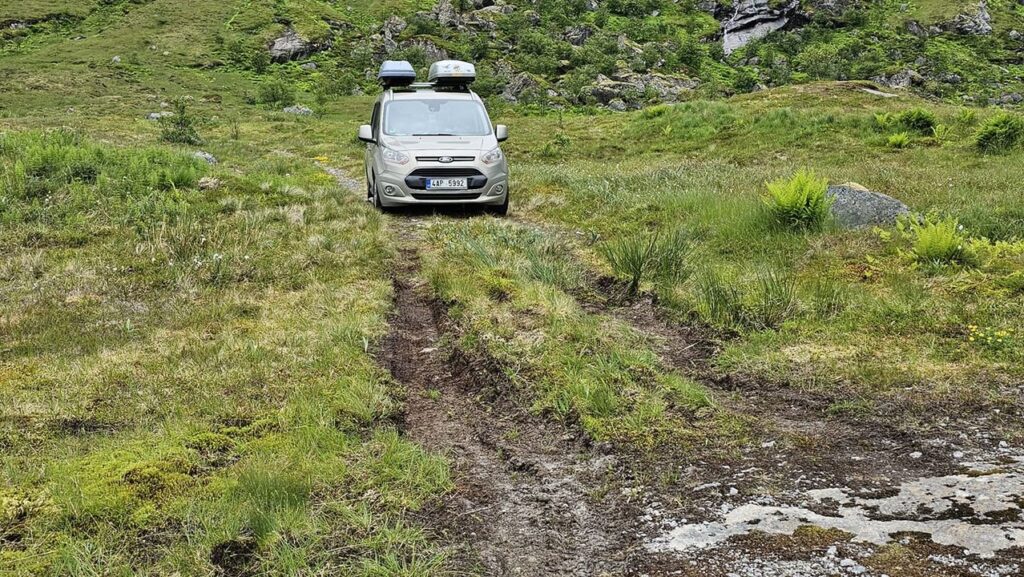
Is it as crowded as people say? Our honest take, and how to travel here responsibly.
Where to stay - Accommodation in Lofoten
Where you base yourself shapes the whole trip, since driving between the ends of the islands eats time. How to think about accommodation, plus the rules if you plan to sleep outdoors.
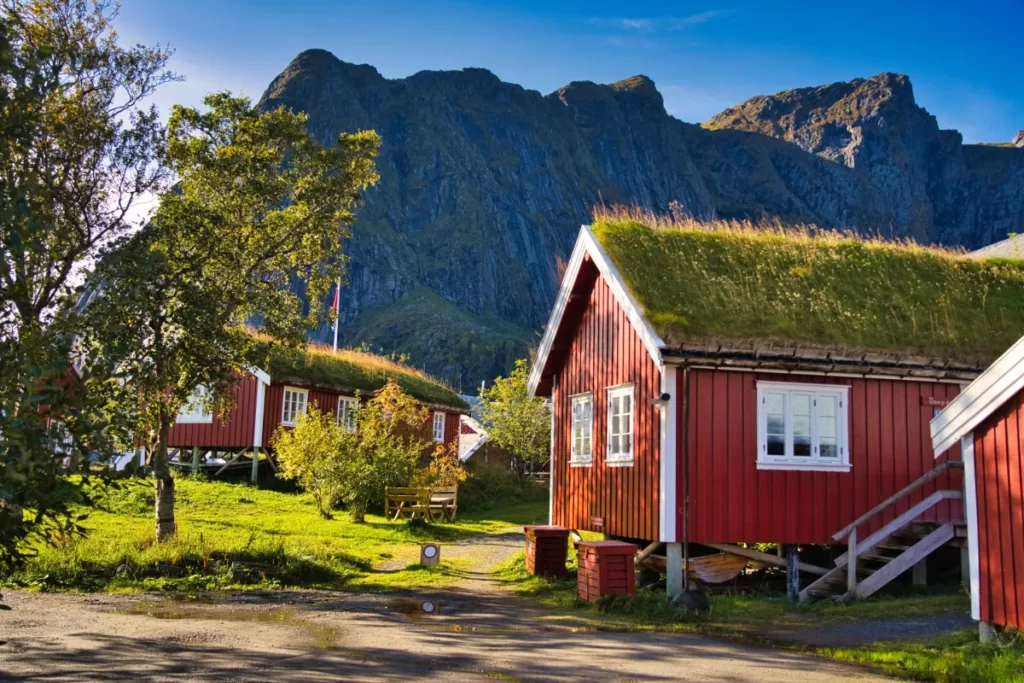
Our tips for how to choose a base, from rorbuer to hotels, and which area suits your plans.
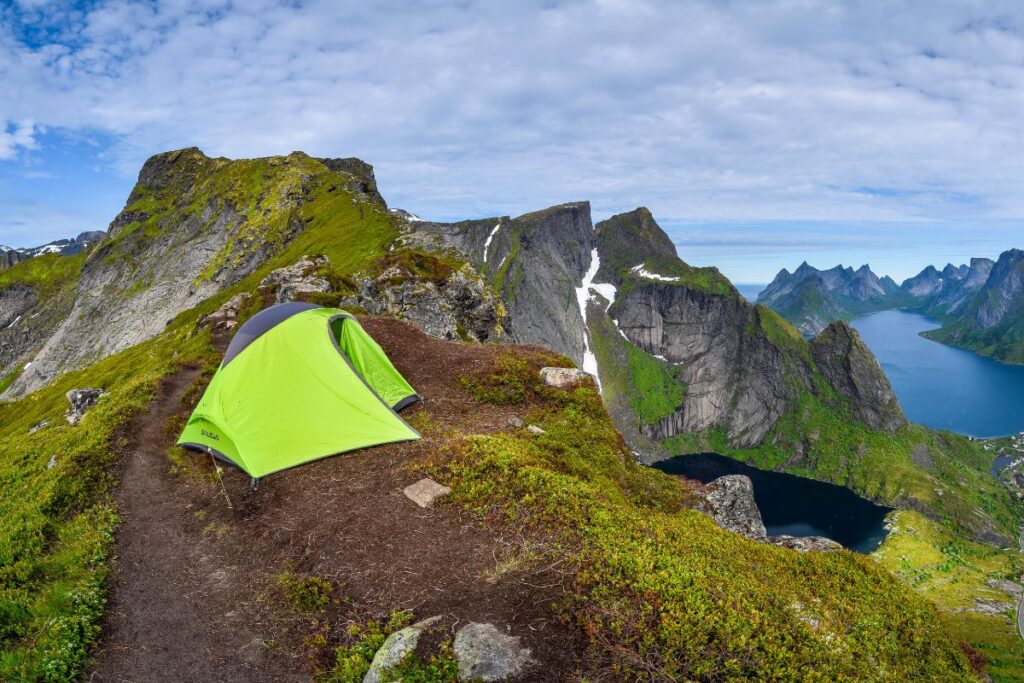
The rules for wild camping and overnight parking. What is allowed and how to do it right.
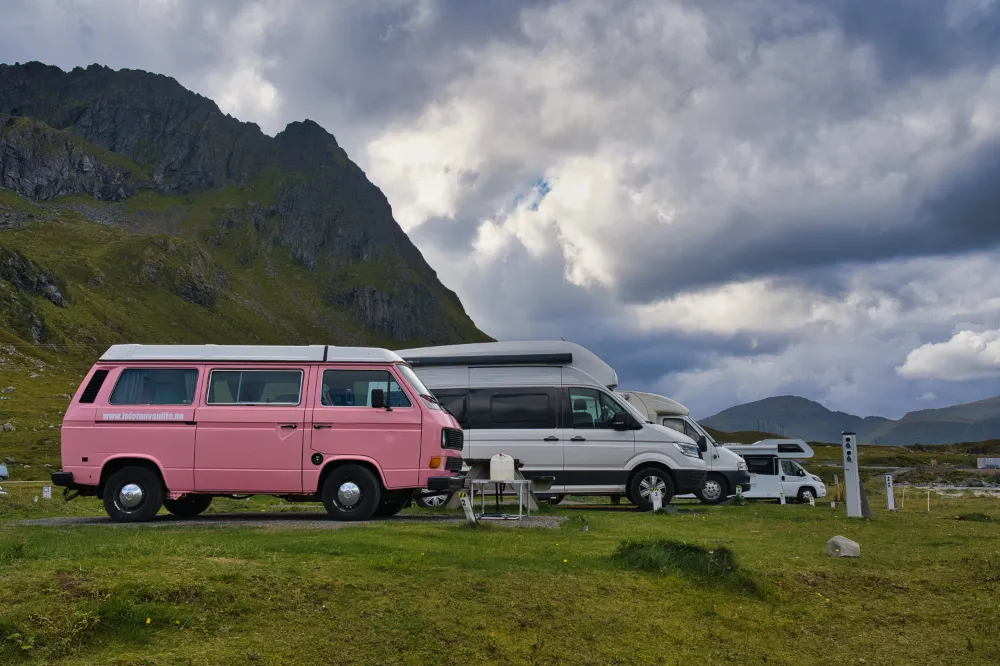
Overview of campsites and motorhome parking spots (including prices) in the surroundings of Reine.
Getting around Lofoten - Buses & driving
Lofoten is long and spread out, and public transport is limited. Most visitors rent a car, but it’s not the only way to get around. And some people who rent a car honestly shouldn’t.
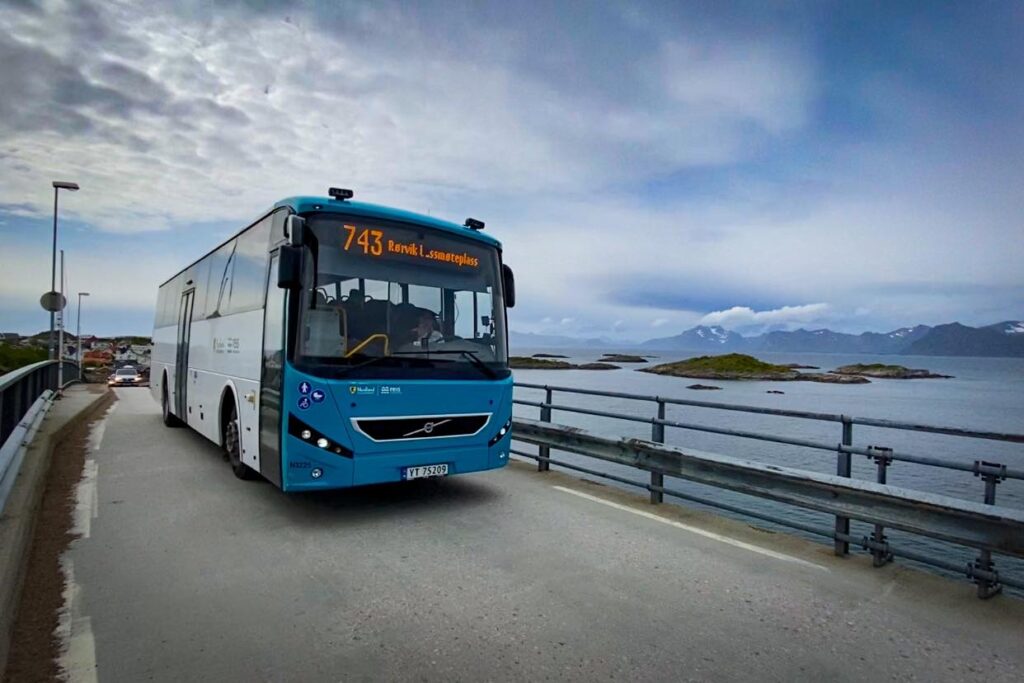
Buses, bikes, and exploring without your own car. What is possible and what is not.
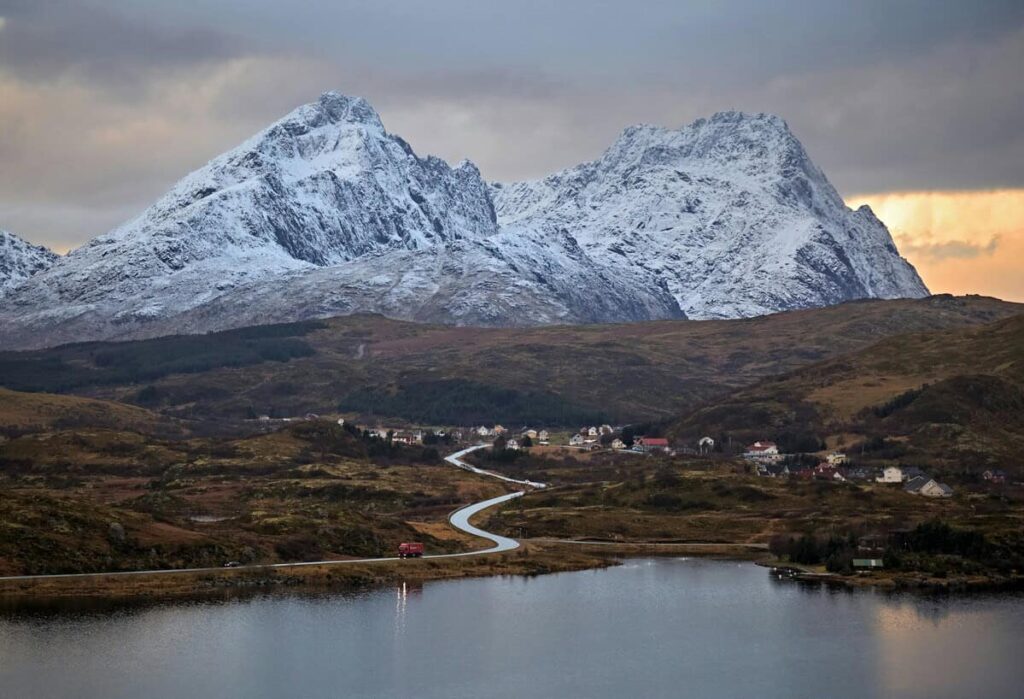
Where to rent, rough prices, and useful tips before you book. The most flexible way around.
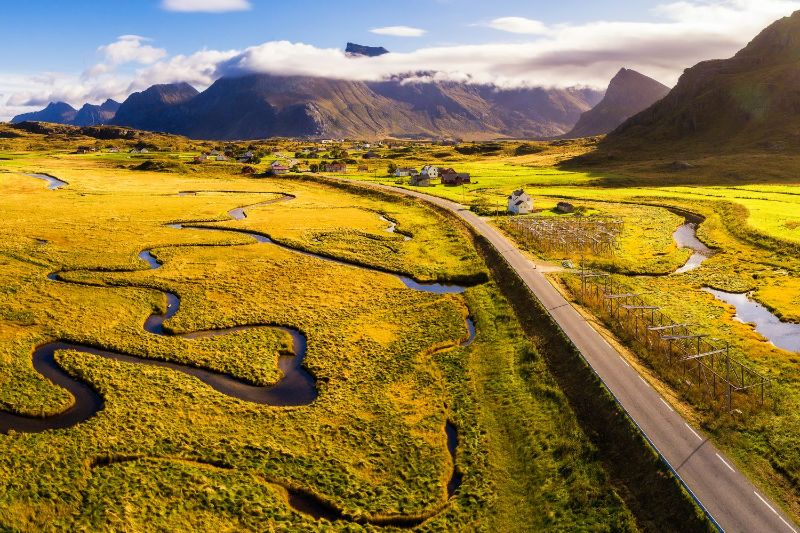
The common mistakes visitors make on these roads. Worth reading before you pick up the keys.
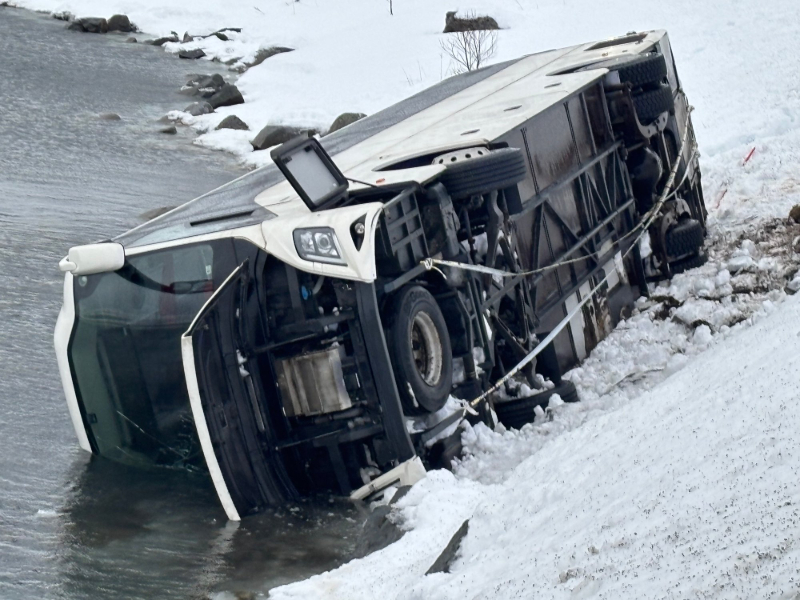
What winter driving here is actually like. All you need to know before you rent a car in winter
Hiking & what to do
The hiking is why many people come, but trails vary wildly in difficulty and the weather turns fast. Below: the routes we’d send a friend on, in summer and winter, plus an honest word on Reinebringen.
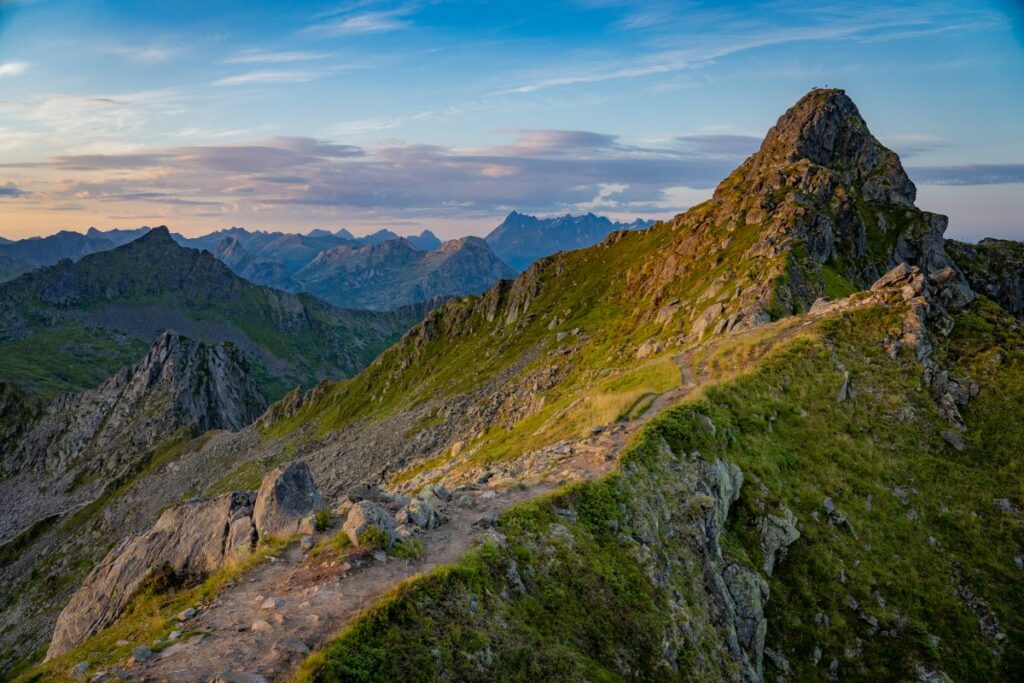
Our pick of 10 best day hikes, sorted by effort so you can match a trail to your day.
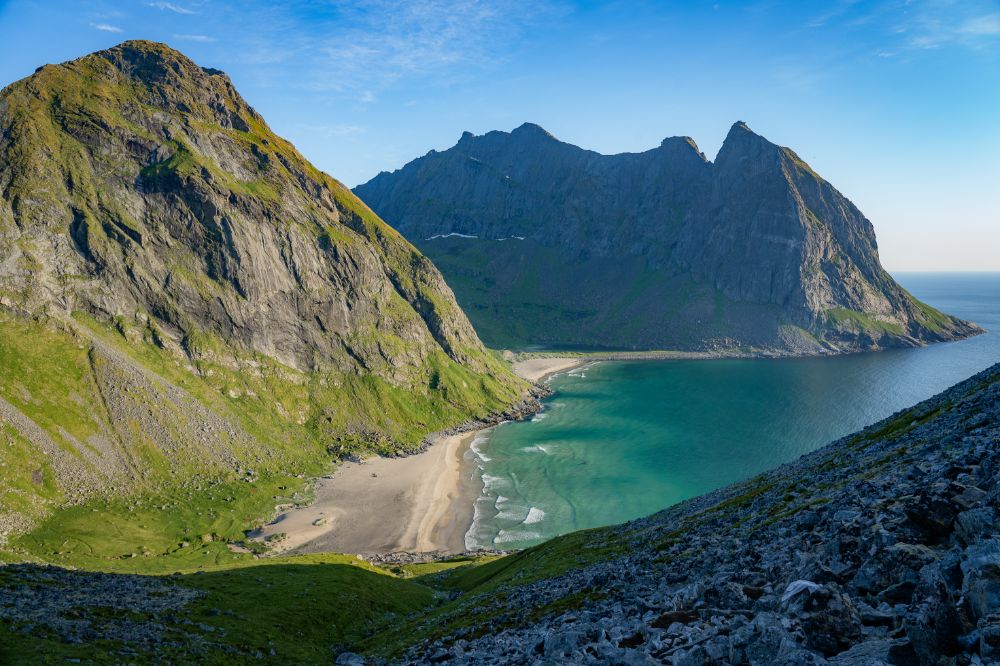
One of the best hikes here, ending high above a wild beach. What to expect on the trail.
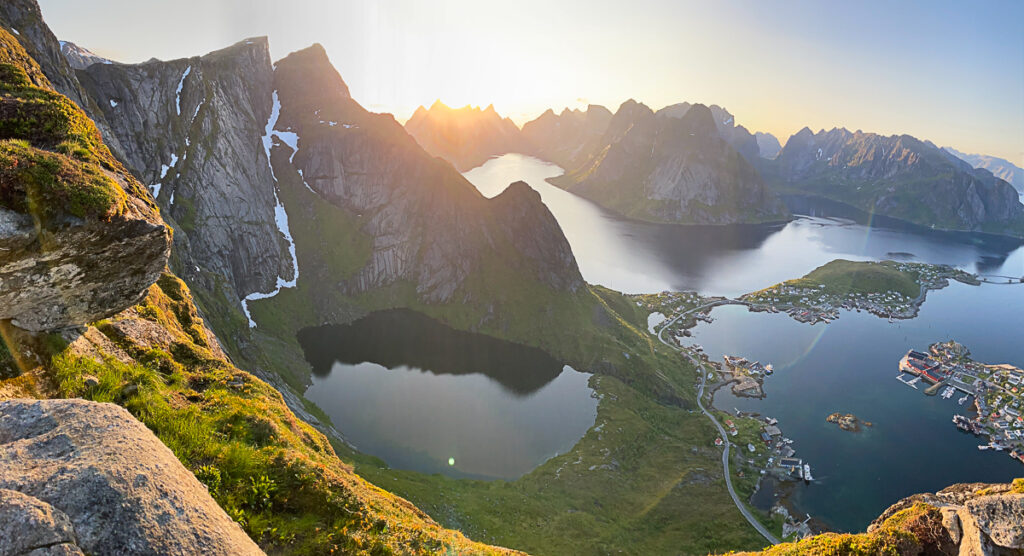
The famous stone-stairway climb above Reine. What the hike involves and how to do it safely.
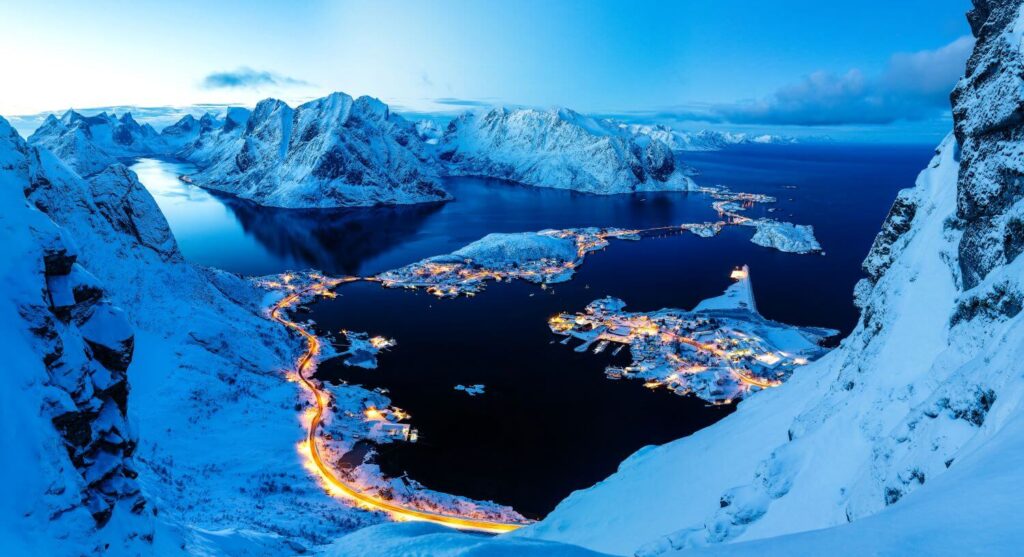
Do not do this. Seriously. Read it before you even consider going up.
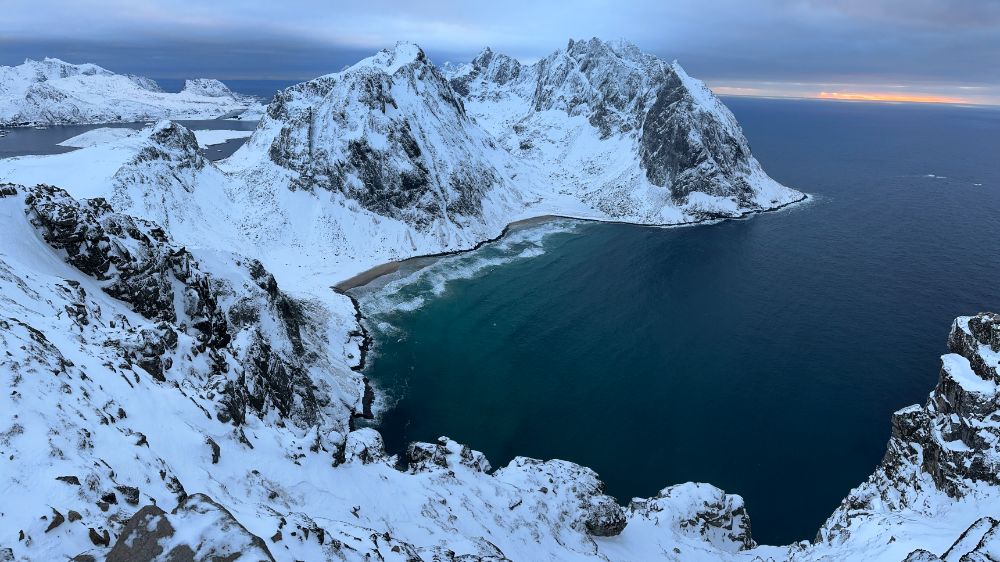
What the Ryten hike becomes once snow arrives, and the care it takes in winter.
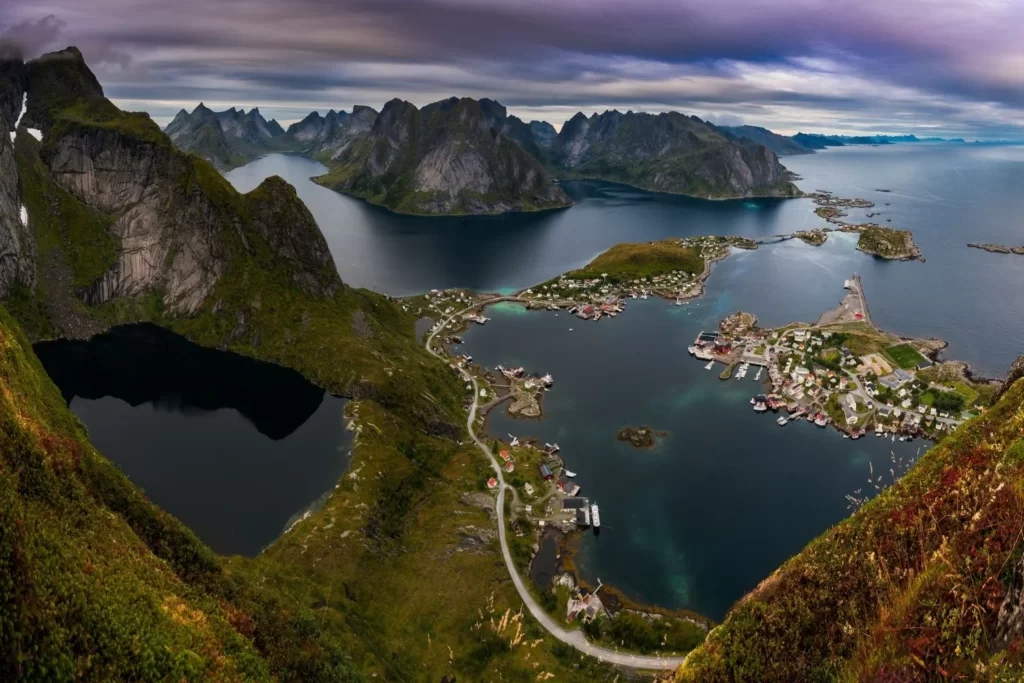
Would a cable car up Reinebringen be a good idea? Our take on a question that splits opinion.
Weather & what to pack
The weather here changes by the hour, and misreading it isn’t just a packing mistake. It can be dangerous, or at least expensive. Some storms get bad enough that you don’t want to be in the mountains, or even outside the house. Roads close. Flying trash bins and trampolines are a real hazard here, not a joke.
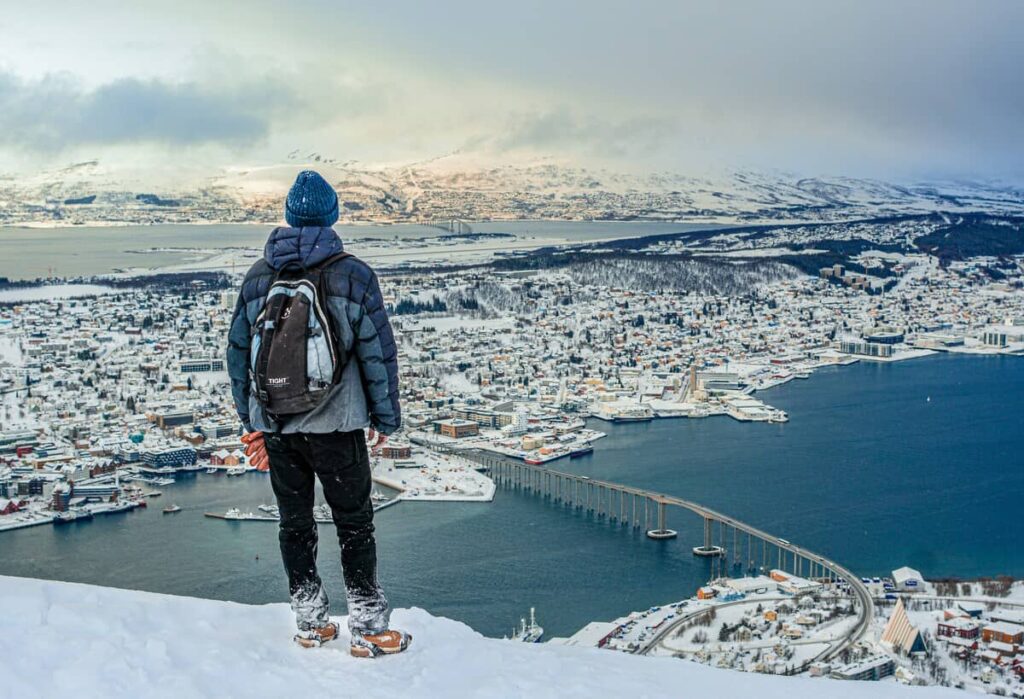
A winter packing checklist you can actually follow, down to the things people forget.
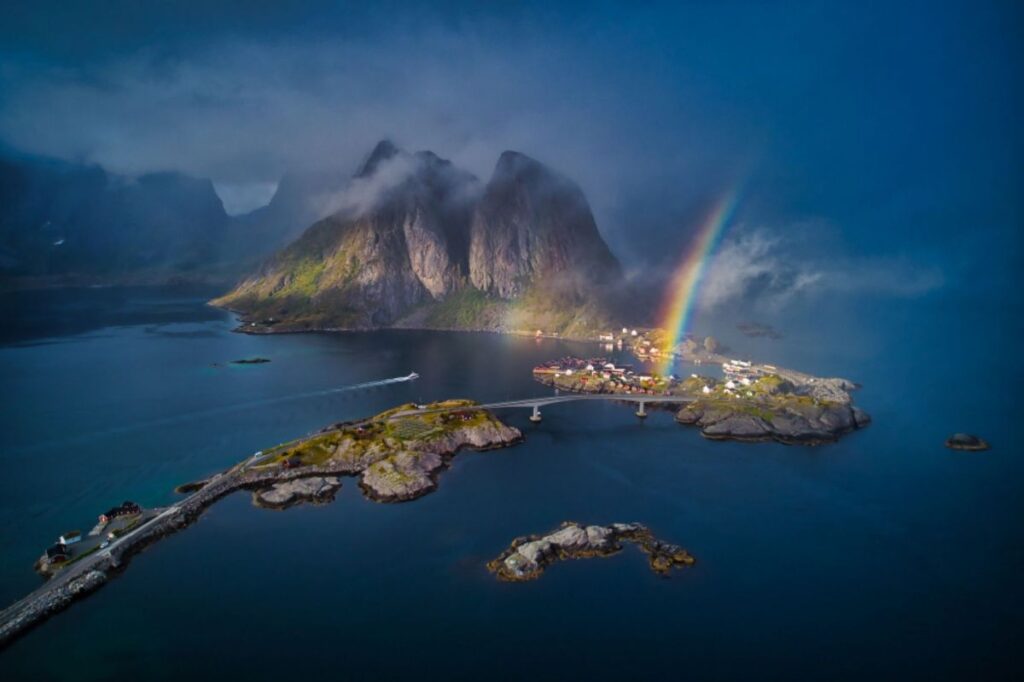
How to read the forecast where it changes fast, and what the numbers really mean.
Northern lights
Lofoten sits inside the aurora zone, so winter nights give you a real chance to see the northern lights. When to look, how to forecast them, and the tools that help.
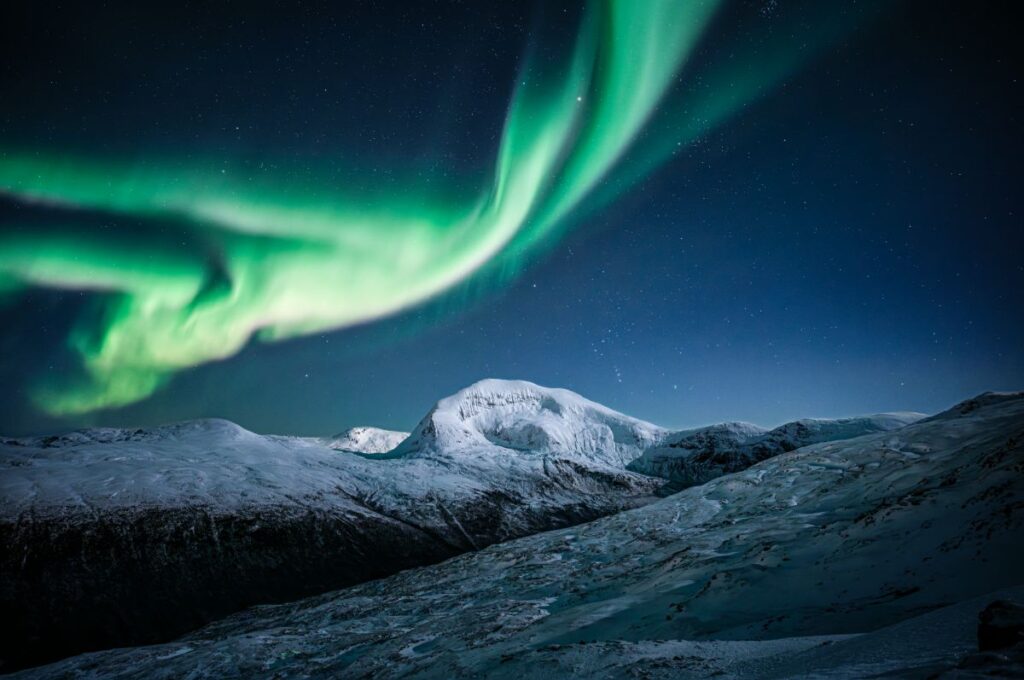
When and where to see the aurora in Lofoten, and how to improve your odds.
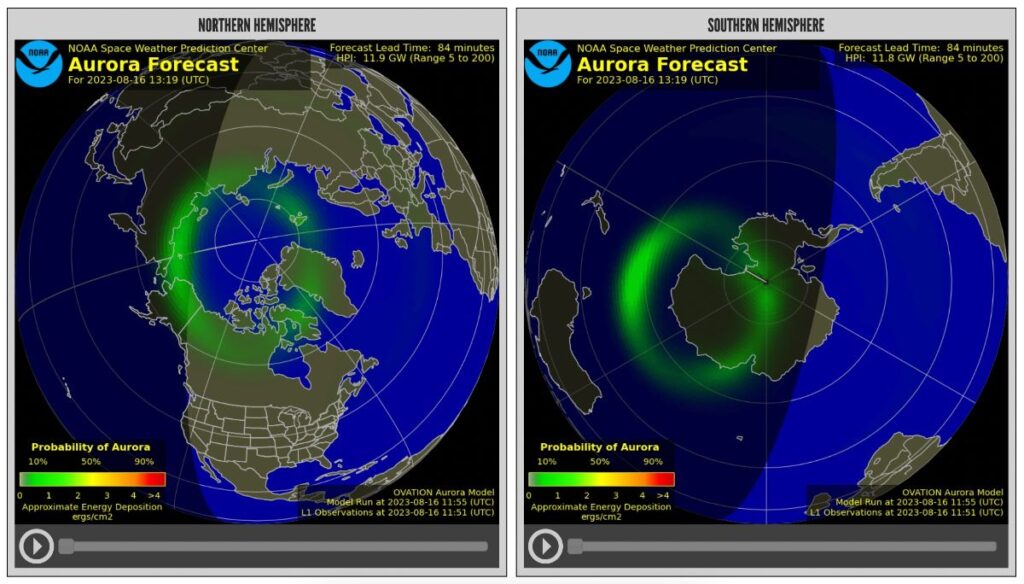
How the aurora forecast works, and how to read KP numbers and cloud cover.
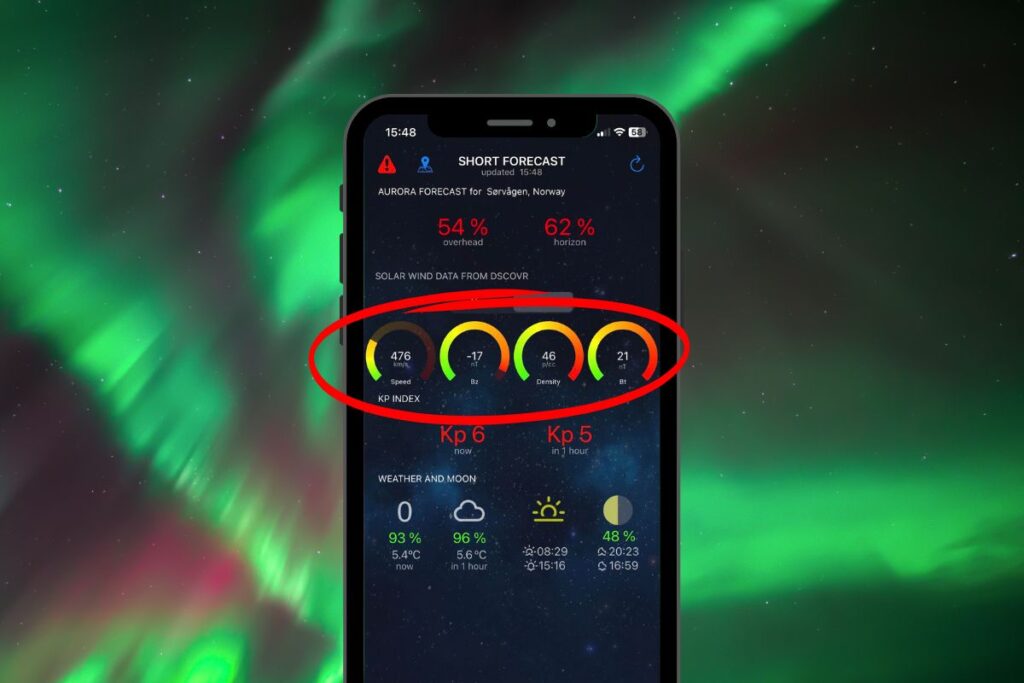
The apps we actually use to track the aurora. Which are worth installing and which to skip.
More resources to plan your trip
A few useful guides that didn’t fit neatly elsewhere: webcams, drone rules, and advice for cruise passengers docking in Gravdal.
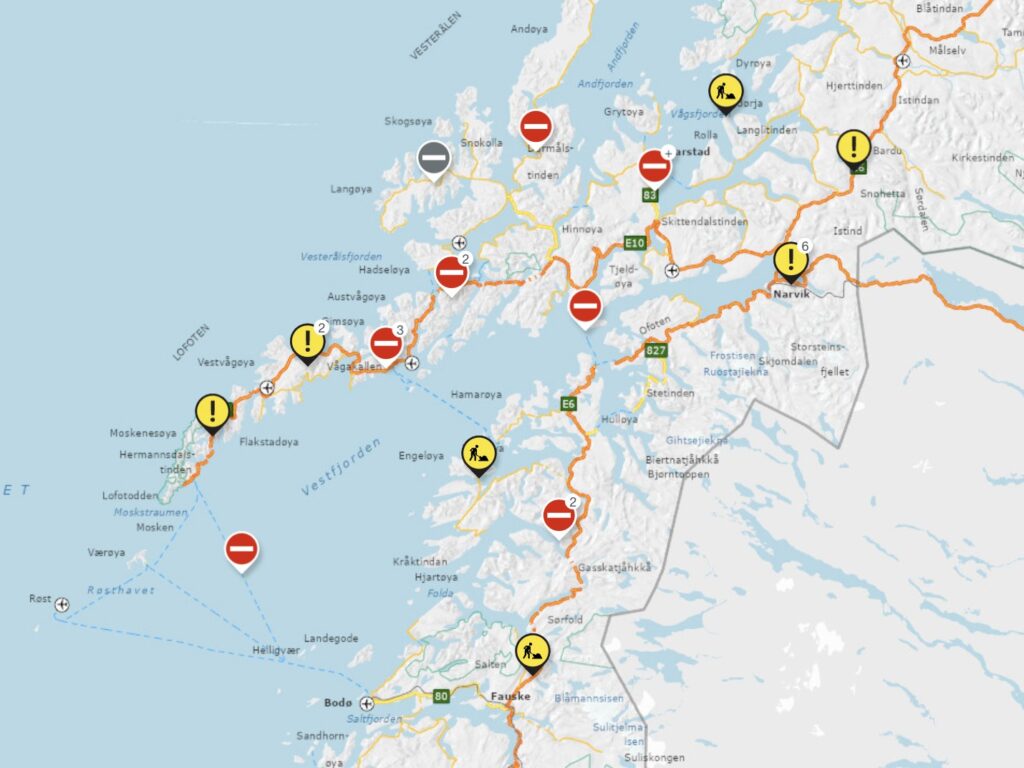
Live webcams across Lofoten. Check the real conditions before you drive out or head up a trail.
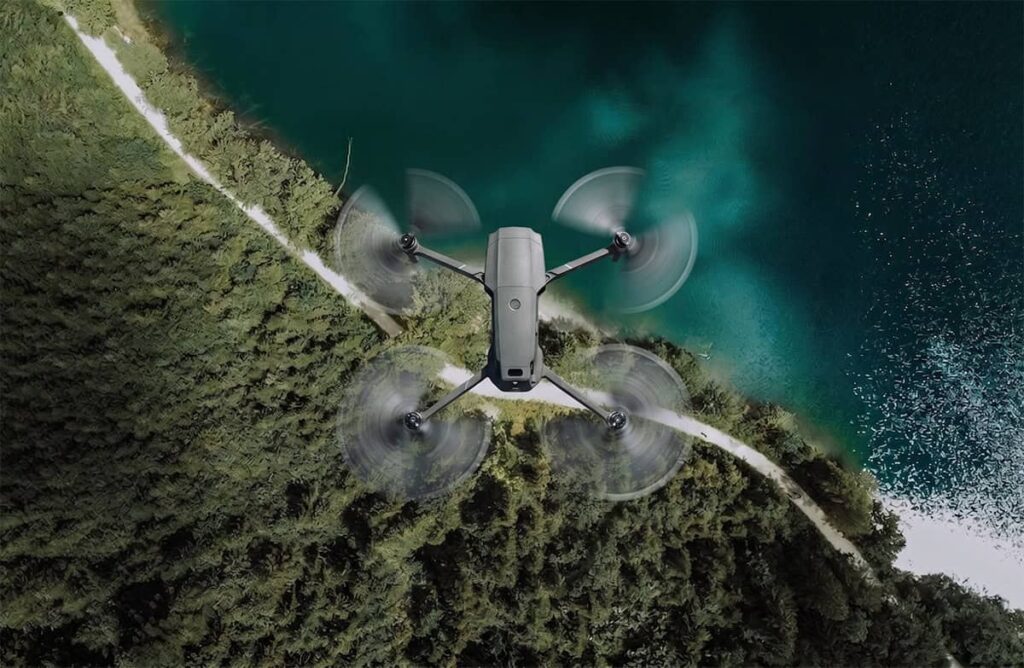
Where you can and cannot fly a drone in Lofoten, and the rules to follow before takeoff.
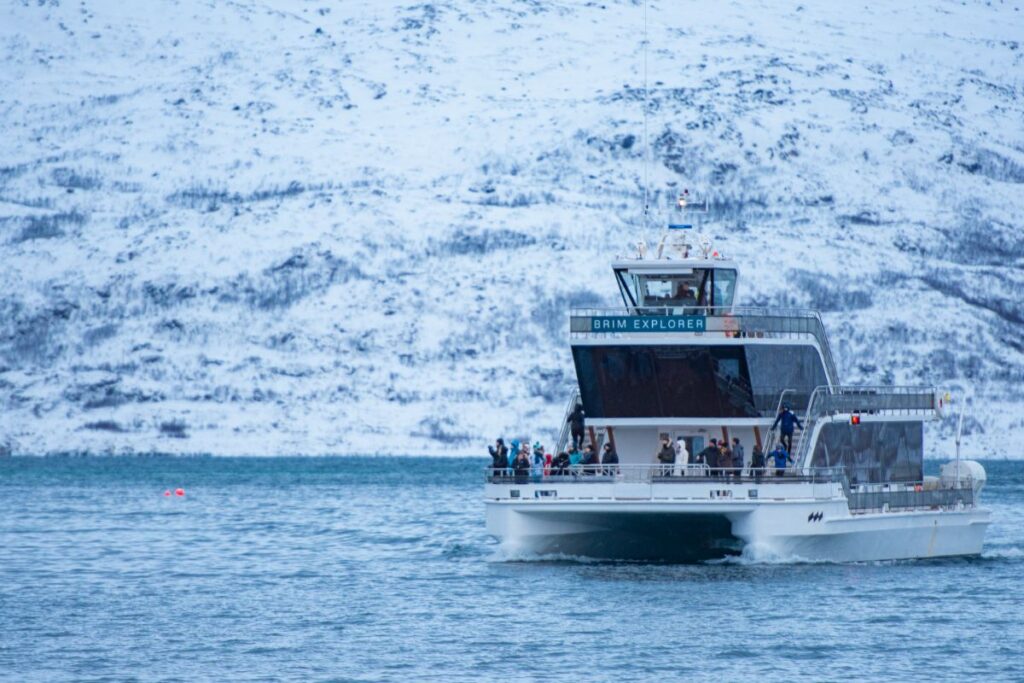
Landing at Gravdal on a cruise? What to do when docking in Gravdal/Leknes Port.
Going beyond Lofoten?
Lofoten is often part of a bigger northern Norway trip. If you’re adding Tromsø or heading further south, start here.
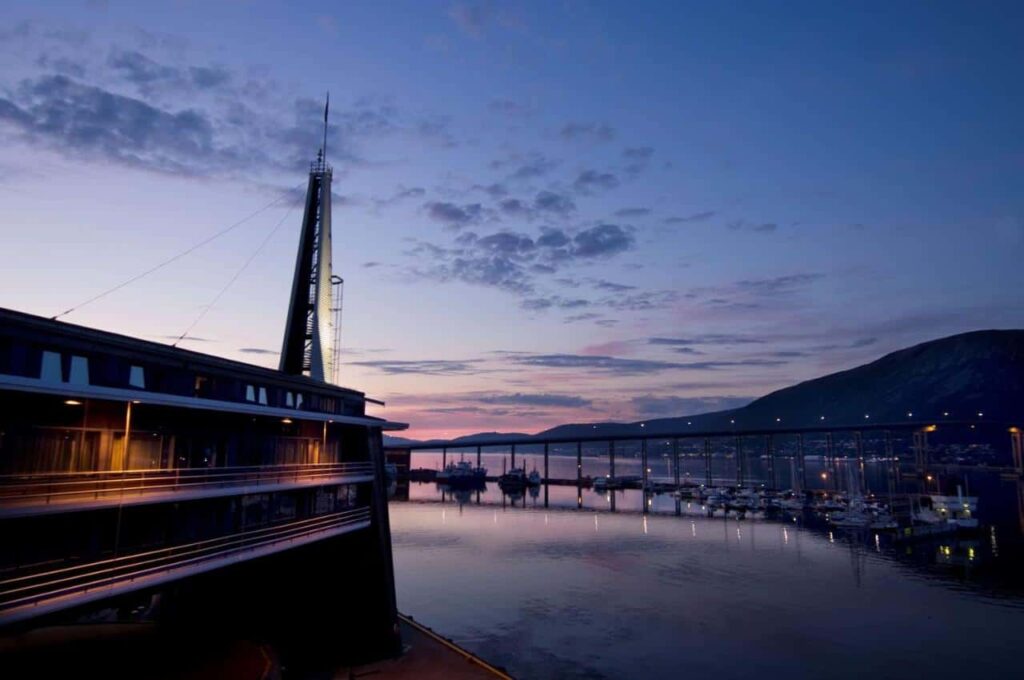
Whale watching, dog sledding, and the aurora from the Arctic capital. Our Tromsø planning guide.
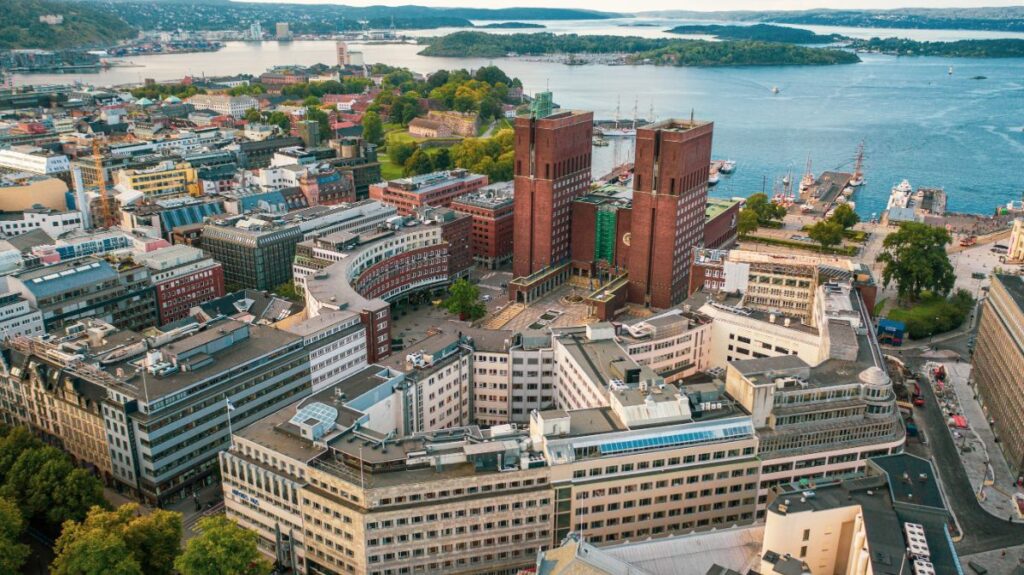
Fjords, trains, and the road south. How to plan a wider trip through Norway.
Common questions about planning a Lofoten trip
When is the best time to visit Lofoten?
There is no single best time. It depends on what you came for. Summer, from June to August, brings the midnight sun, green peaks, and every trail open, but also the biggest crowds. Winter, from December to March, brings snow, short days, and a real chance of the northern lights, though driving and hiking get harder. September and May are quieter shoulder months with a mix of both. If this is your first visit and you want easier conditions, aim for late May through September. If the aurora is the reason you are coming, plan for winter. We break down each month in our guide to the best time to visit Lofoten.
Do you need a car in Lofoten?
For most visitors, yes. Lofoten is long and spread out, and the best viewpoints, beaches, and trailheads sit far from the bus routes. Public transport exists, but buses are infrequent and many spots are not served at all. You can visit without a car if you base yourself in one village and accept a slower pace, or join guided tours to reach the harder places. But if you want to move freely and chase good weather, renting a car is the simplest way. We cover both options, with and without a car, in our getting-around guide.
How many days do you need in Lofoten?
Plan for at least three full days, and ideally five or more. Lofoten is bigger than it looks on a map, and driving between the ends of the islands takes hours. With three days you can see the western highlights around Reine, Hamnøy, and the main beaches. With five to seven you can add hikes, slower mornings, and a day lost to weather without it ruining the trip. Many people underestimate the distances and the time the weather costs them. If you only have a day or two, focus on one area rather than racing the whole archipelago. Where you stay makes a big difference, which we cover in our accommodation guide.
How do you get to Lofoten?
There are no direct international flights to Lofoten, so you always arrive in two steps. Most people fly into Bodø or Evenes first, then continue by short flight, ferry, or car. From Bodø, the car ferry to Moskenes drops you straight into western Lofoten. There are also small airports at Svolvær and Leknes for onward flights. If you are coming from Tromsø, you can drive, fly, or combine bus and ferry. The right route depends on where in Lofoten you are headed and how much time you have. We lay out every option, with the trade-offs, in our guide on getting to Lofoten.
Can you see the northern lights in Lofoten?
Yes. Lofoten sits inside the aurora zone, and the season runs roughly from September to early April. You need three things to line up: darkness, clear skies, and some solar activity. Winter gives you the long dark nights, but Lofoten weather is cloudy often, so patience and a flexible plan matter more than chasing a high forecast number. Get away from village lights, look north, and give it several nights rather than one. The lights are never guaranteed on any single evening. We explain how to read the forecast and improve your odds in our northern lights guide.
Is Lofoten expensive?
Yes, Lofoten is expensive, like the rest of Norway. Food, fuel, and accommodation all cost more than most visitors expect, especially in peak summer when rorbuer cabins book out early. You can keep costs down by cooking your own meals, travelling in the shoulder season, and booking accommodation well ahead. Wild camping is legal under the right-to-roam rules and saves a lot if you are equipped for it. Eating out and guided activities are where budgets usually stretch. It does not have to break the bank if you plan around the expensive parts. Our guides on where to stay and wild camping help you spend wisely.
Ready to see Lofoten the way locals do?
Our small group tours take you beyond the guidebook. To hidden beaches, dramatic fjords, and mountain views most visitors never find. Pick a tour and we’ll take care of the rest.
 5.0 (160+ reviews)